Showing posts with label Publishing. Show all posts

Aug 9, 2014

The Nitty-Gritty of Galley Editing


Tuesday, May 20, 2014


By Jody Hedlund, @JodyHedlund

I'm in the middle of reading two different sets of Galley Reviews. The first Galleys is for Out of the Storm, a historical romance novella that kicks off a 3 book lighthouse series. The novella releases in late fall of 2014. The second Galleys is for Love Unexpected which is the first lighthouse book. And it releases December 1, 2014. 

Whenever I mention that I'm working on Galleys to friends, they invariably raise their brows. Most people don't really understand what Galleys means or entails.

Before I was published, I had no idea there was even such a thing as Galley edits. And even after I got my first Galleys, I was still confused about what the term meant.

So I did a little investigating and discovered that the term "Galleys" is actually short for Galley proofs.

Old wooden galley tray with lead type. *Source Wikimedia.org*

In the old days printers had to meticulously place each individual letter of each individual word together to form a printed page. The printer laid and tightened those letters into wooden or metal trays called galleys. Then a limited number of copies were printed and proofread. The printer would make further changes, re-arrange the type, and print the final copy.

Nowadays, printing has evolved beyond metal letters and trays. Actually, the Galley editing stage involves different things for different publishers. But I think it's safe to say that overall, Galley Reviews are one of the final editing stages that a book goes through before publication, and the stage usually involves proofreading a printed version of the book.

My publisher is somewhat unique in that they have two sets of printed Galleys.

During the first round, I'm able to see the manuscript that has recently been line edited by my in-house editor. Most of the time, I can't even tell my editor has made any changes unless I carefully compare the Galleys to an earlier manuscript. I've realized that's the sign of a good line editor, when he's able to make important changes but his fingerprints are invisible.

Here's an example of the kinds of changes he makes during line editing (this is taken from the first page of my novella):

My version: "The man's wide-open eyes peered into the heaps of gray clouds covering the early morning sky, the streaks of black the reminder of the storm's fury."

My editor's version: "The man's unseeing eyes stared up at the dark-gray clouds covering the early morning sky, a reminder of the passing storm's fury."

As you can see, he subtly trimmed some of my wordiness. If I don't agree with the changes he's made, I make notes on my printed Galleys about how we can further adjust things (and usually we come to a compromise). I also trim, check for repetitions, and try to catch any mistakes, before finally sending the Galleys back to my publisher.

During the second and final set of Galleys from my publisher, each page is already set for how it will look in the book. So at that point, I'm not allowed to make any big changes. I can only mark little mistakes, missed commas, misspellings, etc. It's actually the very last time I'll see or read my manuscript before it goes to print.

Why are Galleys done six months ahead of the book's release?

There are actually many benefits to having the book *mostly* edited and ready to go that far ahead including allowing time for publishers to begin marketing the book, sending it out to reviewers, and soliciting endorsements.

For me personally, Galleys are a rather depressing stage in my love affair with my book. By the time I see the Galleys, the gushing and giddiness that I felt with my first draft is definitely over. I've read and edited the book so many times, that it's lost its appeal. In fact, as I nitpick the manuscript, everything begins to glare at me. And by the time I finish reading the last set of Galleys, I'm ready to throw it in the trash. Needless to say, I never read the book again.

Aug 6, 2014

A Brief History of Publishing


frick-corliss-engine-britmusThe fur continues to fly on the Amazon versus Publisher battles and I note Amazon even made it into the Garden Writers weekly email blast a month – or so- ago. Allow me to offer a bit of perspective on this and to do this I’m inviting you to engage in a truncated history story. Somewhere in the 1490′s the printing press established itself as the “killer app” of its time. The press ended several millennia of scribes and there were corresponding riots in the streets, strikes and significant property damage done by these suddenly-out-of-work knowledge workers.

A Brief History

At that point, if you owned a printing press you could communicate with wider numbers of people and the list of thinkers and revolutionaries, including a significant number in North America, who owned printing presses is a rather long one. Printers were publishers and authors paid to have their books printed and did all the selling themselves. The publishing industry then morphed and changed with writers doing the writing and publishers doing everything else. The “traditional” self-publishing adventure became known as “Vanity Publishing” and was relegated to the lesser ranks of the publishing firmament.
Enter the small local bookstore and salesmen calling to hand sell the latest booklist along with distribution companies to move the books to retailers. This provided a perfect differentiation between writer, publisher, logistics and retail with each person getting a bit of the pie. Whether you got a large enough slice was a subject for lawyers and agents who also managed to get their own small sliver of the tasty treat known as publishing.
But then, retailers started their own revolution. The big box bookstore arrived to hammer the small independent stores with their selection, pricing and mass-buying power. Those box stores got larger and larger until you could play football comfortably in one side while a NASCAR race was going on in the other. I remember the screams of anguish from the small bookstores about this and how these box bookstores were killing publishing.

Enter the Internet and Amazon stage left.

It didn’t take long after Amazon started selling books before the big publishers started crying, “foul” and the box stores started haemorrhaging cash. Amazon’s subsequent ebook revolution inserted itself into the book chain, cut publishers, distribution and retail stores links out, leaving authors selling directly to readers. That’s pretty much where things stand today.
Oh yeah, except that some of those box stores that killed small bookstores that killed small publishers who killed off the scribes have been killed off themselves. And some small bookstores, focussed at meeting community needs with great service had thrived over the past three years.
Amazon is no more destroying the publishing industry than Gutenberg did. They’ve both changed it. Small bookstores took direct sales away from small publishers and the publishers consolidated to adapt. Barnes and Noble didn’t kill the publishing industry, it changed the landscape for retailing and made it more difficult for the older distribution system to survive. Amazon isn’t killing the industry either but it is changing it as they have a much more efficient system of retailing and distribution than the previous systems.

Amazon Isn’t Destroying Publishing

People are reading in greater numbers than ever so how can the publishing industry itself be dead? It has changed for sure and it will continue to change; that’s the one thing we can be certain of, now the technology revolution is upon us. But whether you count electronic books or print, the industry is selling a great many books so the “publishing industry” is fine.
Some business models may be in trouble, but that’s the nature of change. And it’s not publishing that’s fighting with a large corporation, it’s a group of large corporations that are fighting among themselves to see who gets the biggest share of the pie. Publishing is, by the numbers, only a small part of each of their respective business operation.

Can You Make A Living As A Writer

There’s no question in my mind that this is quite possible with self-publishing. It may not be as easy as it used to be and a quick look at book sales numbers in the gardening genre aren’t all that encouraging. But yes, I do. Here’s the small secret – it’s all cumulative. Everything I write stays active for as long as I want it to. So when I publish one ebook, it stays online making money week after week. Some of the ebooks only make a few sales a week. Some make more. But aggregating all the ebooks and webpages together, I have a living wage and I make more every year now than I ever made from traditional publishing.
Some of you are doing better (or your publishers are) on individual ebooks. Having seen sales numbers across the genre, I can tell you that some of our garden writers, who are getting 25% royalties on their ebooks are doing quite well with individual ebooks. The question is how much the print publisher influenced ebook sales and how much the tide of garden fashion influenced them? Or whether the ebook/book is a classic and the subject matter is hot again. Lots of questions there indeed. But for the moment…

Lots of Smoke But Little Fire

As my (maybe) last thoughts on this, let me point out there are two factors in this story that haven’t changed. The first is the fact of change itself. It’s been with us and will continue to be part of our lives.
The second thing is the content of those books. Somebody has to write the words and illustrate them in some way. If you can produce ideas and information that people want to read, you still have a place in this adventure and indeed content creators will be the only constant no matter what system arrives to spread the ideas.
Our ultimate goal is to become such good writers that people want to read us no matter where we publish. Making money is another matter.
- See more at: http://www.douglas-green.com/brief-history-publishing/#sthash.5Z0LLKwS.dpuf

May 27, 2014

I Planted My Self-Published Book on Barnes & Noble's Shelves... And People Bought It


When I self-published my book, The New American Road Trip Mixtape, in December, I knew there was pretty much zero chance bookstores would sell it. I was a relative nobody (beyond a blog that gets a million-plus page views per year), I had a not-so-unique storyline (young writer goes on road trip to find new American Dream), and, of course, no one reputable (or even disreputable) had published the book. So the marketing strategy was a big blank.
People would only see it online, through social media channels. No one was going to see it on the shelf in a store, flip it over, read the cover blurb, and buy it. Or could they? I had one idea.
"I'm just going to shove copies of the book onto the shelves at Barnes & Noble," I told a friend. Maybe I could mail five or so copies to friends who wanted to help/engage in a little mischief, and they could plant the books in their city's bookstores.
I told myself at the beginning that making money off the book wasn't important; reaching people who needed the story was the most important thing. So why not give a few copies away, or "donate" inventory to Barnes & Noble? That's not illegal, is it? I mean, you can't walk in and take a book off the shelf and put it in your jacket and walk out -- but there's no law that says you can't walk into the store with a book in your jacket and put it on the shelf, is there? Nah. It was a genius strategy, I thought, congratulating myself.
In his book Super Rich, Russell Simmons reminisced about a brilliant idea he'd had in 1978, in the early days of hip-hop, before anyone knew what hip-hop was. Friends of his had spent their life savings making a single called "Christmas Rappin'" with a then-unknown MC named Kurtis Blow, and they asked Simmons for help creating buzz for the record. Simmons ran around New York handing it out to club DJs, begging them to play the song. As the buzz began to build, they started pressing new versions of the record with a (fake) order number from Polygram Records. As DJs played the song more and more, they hype grew, and record stores began to call Polygram to order more copies of the song. Polygram was of course confused, but eventually got enough calls that they figured out how to track down Kurtis Blow and sign him to a record deal.
I cackled to myself. Like Russell Simmons, I would give it away until they wanted to pay for it. Genius!
"How are people going to get the books out of the stores, though?" my friend asked. "They can't just walk out with your book under their arm."
Oh.
I ran the idea by a few more people, and someone who had previously worked at a Barnes & Noble confidently said that as long as a book has a bar code with an ISBN number, it will scan at the register. I decided to test it. In Flagstaff, Arizona, I sneaked a copy of my book onto a shelf in the Travel section. Two hours later, my girlfriend walked into the store, grabbed a magazine and the copy of my book and went to the register to pay. I sat in the coffee bar waiting.
2014-05-20-chicago.jpg
"It rang up," she announced back at the table. "Twelve dollars." I pumped my fist and laughed. It worked. As a business idea, it was terrible, of course: I'd just donated one of my author copies (about $5 worth of inventory) and given Barnes & Noble $12. But as a marketing investment, I had an idea.
Another friend had told me about comedian Jim Gaffigan's Instagram account, and how he would pick up copies of his book at airport bookstores, sign them, and post the photos on Instagram so fans could find them and buy them. Cool, but Jim Gaffigan has 75,000 Instagram followers. I have 2,000. But what did I have to lose? Just revenue and some inventory.
In Tempe, Arizona, I drew a saguaro cactus on the cover page, took a photo of it, and nervously walked in to the Barnes & Noble on Rio Salado with the book under my arm. I searched for the Travel Essays shelf, trying to act normal. I had flashbacks to my handful of teenage shoplifting experiences, then laughed at myself. I slipped the copy onto the shelf in its proper alphabetical place, between Donna Leon's My Venice and Other Essays and Peter Mayle's French Lessons. I snapped another photo of the book on the shelf. I posted it on Instagram from the parking lot. 186 likes.
I planted another one in Flagstaff, this one with a drawing of a train on it. Then Las Vegas, with a drawing of the Welcome To Las Vegas sign. I started having fun with the drawings on the cover page. At breakfast with a friend, I mentioned that I figured at some point Barnes & Noble would find out about it and ask me to stop doing it. He asked, "Why?"
2014-05-20-vegas.jpg
I said, imagine if every self-published author started shoving their books onto the shelves at Barnes & Noble -- what a mess that would be. He said,
"They wouldn't do that. People want to sell books, not give them away. Especially to Barnes & Noble." Indeed.

I drew the Sears Tower on the one I dropped in downtown Chicago, wondering if the security guard saw me. I bought a magazine to make myself look less suspicious. I dropped one on the Upper West Side in Manhattan, then as I was slipping the special "I <3 a="" at="" avenue="" b="" camera="" copy="" fifth="" flash="" ny="" off.="" on="" onto="" shelf="" store="" the="" went="">My friend Forest had taken a photo of the reverse-shoplifting-in-progress from around the corner
. Fortunately, no one saw him. A day later, a friend from grade school, whom I haven't seen in two decades, tagged me on Facebook -- she was living in New York and had bought the copy from the Fifth Avenue store.
I dropped one in Portland, and another in Seattle, which, according to Instagram comments, was gone less than two hours after I put it there. In every store, I find the Travel Essays section, eyeball it for Donna Leon's book, then slide mine in next to it. I got out colored markers and drew the old Denver Nuggets logo on the one I dropped in downtown Denver, and it disappeared two hours after my Instagram post.
Last week, I drew a series of Colorado flags on four copies of the book, then drove around the city and put them on the shelves at four different Barnes & Noble stores. Three of the four were purchased by the end of the day, and I'm not sure about the fourth.
2014-05-20-denver.jpg
The New American Road Trip Mixtape has been on sale for five months, and it's sold more than 3,000 copies in paperback and ebook formats, mostly online, including Barnes & Noble's website, though not on their shelves.
They haven't yet asked me to stop desecrating their shelves with my book, or notice, for that matter. But I wonder how the stores reconcile the $12 purchase of a book that's not in their inventory. A tiny part of me hopes, like in the Russell Simmons story, that they'll somehow start selling my book -- but a larger part of me thinks they'll probably more likely just send me a cease-and-desist letter. Which would also be kind of awesome, in its own way.
Follow Brendan Leonard on Twitter: www.twitter.com/semi_rad

Apr 6, 2014

Clean Teen Publishing's One Year Anniversary Kindle Fire Giveaway!

JOIN US IN CELEBRATING CLEAN TEEN PUBLISHING'S ONE YEAR ANNIVERSARY! 

WOW! We cannot believe that we are nearly upon our first year anniversary since we released our first book through Clean Teen Publishing!
In under a year, we have grown to 19 authors (and still growing) with 47 books published or slated for publishing by this Summer and a dedicated fan base in the thousands and multiplying!
We couldn't have had such a successful first year without the support from our fans, the Blogger community and voracious readers everywhere!
This is why we want to thank you by giving you a present on our anniversary!
We will be giving away a Kindle Fire and a CTP Swag pack on our anniversary of May 17, 2014! Join the giveaway below. 


MY, HOW WE'VE GROWN:

OUR OWNERS- Rebecca Gober (Upper Left), Courtney Nuckels (Lower Left), Marya Heiman (Upper Right), Dyan Brown (Lower Right). 


OUR SUPPORT TEAM- Cynthia Shepp- Editing (Left), Melanie Newton- Social Media and Submissions Team (Middle), Kelsey Gainer- Submissions Team (Right). 


OUR AUTHORS- From Left to Right- Gabrielle Arrowsmith, Melissa Cunningham, Jon Messenger, Sherry Ficklin, Peggy Martinez, Angela Townsend, Amanda Strong, Jennifer Anne Davis, K.C. Finn, Kelly Risser, Alicia Michaels, Holly Kelly, Erica Kiefer, DelSheree Gladden, Cindy Saunders, and Lauren Nicolle Taylor. 

OUR SELF APPOINTED MASCOT- Mr. Squirrel.

OUR BOOKS- Check out all of our books on our website: Clean Teen Publishing / Crimson Tree Publishing


Mar 26, 2014

Stupid Answers To Common Writing Questions


Chuck Wendig is a novelist, screenwriter, and game designer. He talks a lot about writing. And food. And the madness of toddlers. He uses lots of naughty language. NSFW. Probably NSFL. Be advised. terribleminds


I receive questions over email. I get questions at conferences. I thought I’d sum up some of my answers to those questions here! Please to enjoy.

How Do I Write?

I don’t know how you write. I know how I write. And how I write is, I line up a bunch of words and jam them together into sentences, then I jam those sentences together into paragraphs, and those paragraphs cram together into pages, pages into chapters, chapters into a whole story, and when all of it is said and done I try to make sure all of it is saying something, that all of it has a point, a purpose, a narrative connecting ideas and characters and events and that all of it is buoyed by some kind of hidden but not-that-hidden message called a “theme.” I do this a little bit, every day, until I’m done, and even then I’m not really done, because writing is rewriting is rewriting is rewriting is [insert me wandering through a hedge maze covered in ink here].

How Do I Find The Time To Write?

You do not find the time to write. You make it. You snatch it from the jaws of whatever temporal beast has your minutes and hours clamped between its gnarly teeth. We all fight for our time, whether it’s time for a meal, time for a TV show, time to mow the lawn, time to masturbate wantonly on the neighbor’s front porch so that their cat can watch you from the family room window. Time is not a lost set of car keys. It’s not extra money you find in a pants pocket just before you wash them. Time is a thing for which you fight. And if you want to write, you need to fight for the time to accomplish that task. Because time doesn’t care about you. It keeps on keeping on until you’re mulch for the fucking marigolds. Seize it. Or don’t. It doesn’t care.

How Long Should It Take Me To Write My Book?

It takes between one hour and one glacial epoch. Jesus, I dunno. Every book has its own clock. I know, that’s a dumb and obvious answer but that’s the goddamn answer. This book over here can be written in three weeks. That book over there can be written in three years. It takes the time it takes. You can make it go faster with practice and determination. Faster doesn’t always mean better, though — it just means faster.

How Do I Edit My Book?

I dunno. You just… you just fucking do, okay? Imagine that you want to take a sentence, any sentence, and edit that sentence. You might rearrange the words. You might excise words or add new ones that are more appropriate, that have more dramatic weight. You would aim to make the sentence be both clear and interesting to the ear. That’s editing. Now do it with a whole paragraph, page, chapter, book. And now it’s not just about little sentence-flavored bits but about character and ideas and events and theme and blah blah blah — there’s no “one way” to edit. You just do it. It’s like crawling through an earthquaked city in the dark, through the mud and the broken glass, trying to put the whole thing back together again. It takes time. There’s no magic, no equation. It’s just you putting the world right, one thing at a time.

How Do I Get Published?

You write something that doesn’t suck, maybe something that you even love a little bit, and you either flash a little narrative leg to an agent or an editor or you publish it yourself. Write the best book you can write.

How Do I Get An Agent?

You find a way to get your book in front of them, ideally via whatever means they prefer. Query letters, pitch sessions, a hand-up from a fellow writer. Whatever. If an agent says, “I want you to give me your logline, except you should tattoo it onto the back of a shaved grizzly bear and that bear should be trained to fight four New York City taxi cabs in front of my office,” then hey, there’s your way forward. Do all this with the best book you can write.

How Do I Market?

I have no fiddly fucking idea. Writers are supposed to be good at writing, not marketing — I wasn’t trained in that particular discipline. I feel like asking a writer how to market best is like asking a writer how to grow good string beans or how best to dismantle a rogue mechanical chimpanzee. Here’s how I market: I try to be the best version of myself, and I try to be a human being engaging with other human beings as much as my time allows, and then sometimes I will say, “Hello, I have this book, and you might like this book because XYZ,” and then once in a while I’ll try to do some kind of other shameless gallumphing about where I give books away or do a nude cam show or something. The best way forward is to get other people to market your books because we’d all much rather be sold something based on love than shameless self-promotion. If I say BUY MY BOOK you’re going to nod and hmm and, “Well, of course he’d say that, its his book.” But if someone within your circle of trust says to buy my book, suddenly you’re a lot more motivated because that person’s only motivation is to share love.

How Do I Build My Brand?

You — you just — please, don’t. Blech. Blargh. Myeaaaaargh. And other pukey-poopy noises. I have a whole schtick about brands that you’ve heard before but I’ll schtick it up again which is this: a brand is what you put on a cow to represent ownership. A brand is about keeping the herd in a fence. A brand is artifice: a thing levied by a corporate entity onto a product so that we all think a specific thing and get a particular feeling about that product even if that is a lie. A brand burns you. A brand marks you. It is a vulnerability because if you brand yourself one way and then find that doesn’t work or need to re-brand, you’re going to have a hard time. Many authors have found themselves trapped by their own brands. Who wants to read a book by a brand? Who wants to interface with a carefully-orchestrated persona? Be a person. Find your voice. Let your voice be the thing that identifies you. Resist branding. Resist other corporate, businessy labels. Again: be the best version of yourself. And write the best book you can fucking write.

How Do I Build My Audience?

You do not build an audience. They’re not a set of shelves. You earn your audience. By — drum roll please! — being a cool person who writes good books. Ta-da!

How Do I Build My Platform?

Every time I turn around I receive divergent definitions of platform. Is it the technical apparatus by which you reach an audience? Is it the audience itself, or the immeasurable reach you have with that audience? Is it your social media account, or the stats that come with that account? Is it your expertise in a given field, or the audience you already possess in that given field? Is it a blog? Is it a box you stand on, a bullhorn you scream through? Fuck platforms. Platforms sound like you’re up on high, talking down. Wade into the crowd. Be amongst the readers and the writers and shake hands and kiss babies and — whew, I dunno how many times I can say this but here it is, write the best book you can and be the best version of yourself.

Should I Blog / Tweet / Facebook / Slather Myself In Social Media?

Your publisher said you should, maybe, or you read that in a book of advice that writers need to blog. You don’t need to blog. You don’t need to do anything except a) best book b) best version of yourself. How you convey those two things to the world via the Internet is up to you. But for fuck’s sake, don’t blog if you don’t want to. Don’t tweet if it doesn’t make you happy. Writing can be lucrative but it’s not so lucrative a career you should tromp around in ugly spaces just because someone said you should. I’ve seen no confirmed correlation between Blogging and Book Sales. Every tweet doesn’t move copies. Especially if the only reason you’re doing that is just as some kind of social media obligation, some ham-fisted marketing strategy. If your publisher demands you blog because of marketing, tell them that’s their job, and they can write the blog themselves.

What Trends Are Hot Right Now?

I don’t know because I don’t care and you shouldn’t really care either. Again: this is probably bad business advice but it’s great creative advice. Fuck trends. Trying to write to trends is like trying to thread a needle whilst riding the back of a bucking bull. Don’t be the dog chasing the car. Be the car driving away from the dog. You know what’s great? A trend-setting book. You know what’s less great? The ten weaker reiterations that come down the line from authors and publishers hoping to chase that trend.

How Do I –

I don’t know. The more and more I go, the more I know that I don’t know. The more I realize that a lot of this thing we do is very random and very uncertain and is given over to two notable forces, two forces that I have repeatedly screamed in your poor ear this whole post: Be the best version of yourself and Write the best book you can. Do these things as often as you are able. More shots at the goal, y’know? Everything else is uncertain. Nothing else is confirmed. The ground is moving beneath our feet but those two things are the constants amidst the chaos. And even then, you’ll find jerk-ass authors succeeding with awful books and that’s just life, and it’s not worth getting upset about. Beyond that? The facts aren’t facts. Everything is theory. I can’t tell you how to do things. I can only tell you how I have done them and am doing them now and if you take something away from this that helps you, then I’m happy. If it doesn’t help you, then at least I’ve hopefully entertained you. Writers have no one way forward. We have so many ways through this wild land. And every one of us — accidentally or on purpose — burns the map after.
Best book you can write.
Best version of yourself you can be.
Demonstrate these things.
Go and write.


Mar 24, 2014

A Week of Self-Published Authors: Robin Lythgoe

Robin Lythgoe joins us today, a self-published author whose debut novel (Dec. 2012) has enjoyed tremendous success. Her thoughts on the book industry in general are provocative, lending the kind of insight that all authors, especially self-pubs, should find useful.
unicornbell

Hello, Matthew! I’m so pleased you invited me to join you today—thank you so much. 
Your first self-published story, a short story, was over two years ago. Since then, you’ve published another short and one novel. The novel, As the Crow Flies, is arguably a fantasy masterpiece.  Have you sought representation from an agent or publisher? If not—why not? 

I’m glad you enjoyed it so much! That means a lot to me. For As the Crow Flies I chose to self-publish, though I have submitted other works to traditional publishers. I had a short story published in an e-zine and I was, of course, delighted, but gaining traction in the traditional market was painfully slow, and I’m evidently an impatient person. 
While I was writing As the Crow Flies I looked into more publisher/agent alternatives, and I discovered the option of indie publishing. My interest was piqued, and when faced with the option of years of submitting to publishers before my book found readers, the answer seemed pretty clear to me.
You’ve been in the business long enough now to get a clear picture of the way the industry works and I know you’re an active advocate of other authors. Through your correspondence with those authors, I’m sure you’ve gained an understanding of the way selling books has changed. In your opinion, do you see more changes coming to the book industry, specifically in the self-publishing segment?

I do like to champion other authors, no matter how they choose to publish—an opportunity made incredibly easy by today’s technology.  It’s so fun to get to know other writers, to hear about their publishing experiences and learn about their books. If I may be so bold, I have a page on my website where you can find out what I do and a list of books—primarily fantasy—I happily recommend: http://www.robinlythgoe.com/flinchfree.html.

The book industry has changed a great deal just since I stepped into the market, and yes, I think it is going to continue to change—must change. Self-publishing is more accepted every day, and we have folks stepping up to offer their professional services as editors, artists, formatters, marketers, and mentors. 
More people are reading and reviewing self-published works, lending fresh credibility to indie authors. Technology that allows further exposure and more reading continues to expand. Online venues available all over the world provide new places and ways to discover books. It’s really an exciting time for both writers and readers. Now if only we had a time machine that would allow for more reading!
Genre. Some say it is an author’s doom to cross genres because readers will never know what to expect from an author who does. Many of the big name authors have found success through sticking to a primary genre and a formula for their books. As an author who has closely stayed within a particular genre (for you, high fantasy) can you discuss your opinion of whether you feel it has contributed to the success of your work?

I write fantasy because I love it, and I think staying with a particular genre builds trust with the readers. Those big-name authors found something that worked for them and stuck with it on purpose. 
It worked. 
Authors who have several books published and a large following can more easily afford wading in other pools, and there are some that do so successfully, though they often choose to publish under a different name. Why? Because their fans expect them to stay in the already established lines. And, thanks to a surge in the popularity of fantasy stories—evident in book sales as well as movie and television production—why wouldn’t I stay with fantasy? Bottom line? Yes, staying within the fantasy genre has definitely had a hand in the progression of things. 

It is generally agreed that the most difficult part of being a self-published author is marketing, especially in the beginning when there are only a few titles for readers to choose from.

How long (years) and how many novels did it take before you were able to consider that a career as a novelist could be a reality?

I’m still working on that! Frankly, the response from readers (other than my family) to my first novel pretty well cemented it for me, though I wouldn’t say it qualifies as a “career” yet. I see other authors with similar works available, and I read their stories, and it encourages me. The indie world also has some awesome mentors out there who teach and lead and lend their support very generously.
What strategies did you use to market yourself that you feel contributed most to your success?

Finances have dictated very modest marketing, so I’ve had to be choosy. I advise authors to stay away from offers to “tweet your book to our XX-thousand followers for only $5/$10.” It sounds like a nice, small step, but it doesn’t offer tangible results. Reviews are a blessing, but they’re not that easy to get. What’s a poor, starving author to do?

First, write. Writing actual words to an actual book should be your main focus. Editing should be the next Important Thing. Poorly edited books won’t help your career at all. The better the product, the more likely its chances of success.

Second, get a good cover. That axiom about not judging books by their covers? It doesn’t apply to books; it’s a good philosophical principle mainly related to people, and possibly puppies. Readers can usually spot the DIY covers, and, sadly, there is a plethora of cover design websites that aren’t much better. 
Look at the books that are selling at the top of their lists. Is your cover up to par? Get other opinions (not from relatives and best friends, who don’t want to hurt your feelings). The book cover is the very first thing anyone will see about your book, and it has to impress, it has to elicit interest and curiosity. It’s usually competing in a line-up of other suggested books. 
If you’re lucky enough to grab the attention of a shopper, the next thing you need to present them with is a good blurb. Then they’ll move on to the sample chapter(s). Is it well-formatted? How much front matter do they have to wade through to get to the good stuff? Is the stuff actually good (properly edited and formatted and, yup, interesting)? Your book has to work hard!

Third (or are we technically on #6?), don’t waste all your time on social media. Yes, “they” tell you that you need to brand yourself—and you do—but be cautious.
Social media swiftly turns into a black hole that will suck you in and never let you go, and you’re not likely to see much of a return on your investment of that time. Pick one or two platforms that you feel comfortable with, learn how to use them, then limit your time there. Do be friendly, helpful, and engaging. 
Don’t constantly be telling people to buy your book. Hook up with fellow writers and readers, especially those in your own genre. It’s called a community for a good reason.

Another way of getting the word out about your book is to do some giveaways. Naturally, it’s much more economical to give away e-books, and the good news is that there are lots of opportunities for that. 
Many book-related blogs do giveaways and blog hops. Book-related social networking sites like Goodreads and BookLikes offer the opportunity to connect with readers and to do giveaways. Goodreads requires you to give away a physical version, while BookLikes will let you use print, digital, or audio. (Mind, though, that this is another form of social media that will threaten your writing schedule!) You can run your own giveaways on Twitter, Facebook, your blog or website—and you can use Goodreads to advertise an “event” (giveaway). 

Another thing to be aware of is that only 8-10% of the U.S. population owns a Kindle e-reader—so you’ll want to expand your options and offer other formats for the rest of the reading world.

Reading and commenting on the blogs (websites, social media sites) of authors, readers, and reviewers (Hello, Matthew!) is another great way to open yourself to opportunities. Again, be careful of the amount of time you spend being social!

And here’s the catch to all things marketing: What works for one author won’t work for another. That means that you’ll need to experiment until you find a comfortable and productive schedule and place for yourself.

So the very last thing required is patience. Not everyone blasts into the publishing world like Amanda Hocking or Hugh Howey, and not everyone will be a flash in the pan like—well, better not to name any names! Persistence pays.
Is there any one book you’ve written that has molded your identity as a writer and made you into the brand you are? Is there anything about your brand that you feel has created a reason to compel readers to read more of your books?

That’s kind of an easy answer, since As the Crow Flies is the only book I’ve published so far! I’m behind! 
Crow’s story delivers a particular stamp of adventure and humor (one that’s found in my short story, Dragonlace, as well). It’s fast-paced, but not too fast for some creative world-building. I have it on good authority that the novel can be read in one day, if you’re willing to let chores fall by the wayside on your day off. The characters are relatable and they grow. People care about them, and it’s great when readers choose one character as their favorite and fiercely defend their choice. My current project is more involved than As the Crow Flies; it is, in fact, part of a series (Sadly, book one is still laboring under a “working title”). 
Still, it maintains the solid core that readers so enjoyed with Crow: style and rhythm, characterization, adventure, world-building. And, in spite of my original intention to write Crow’s story as a single, stand-alone novel, I’ve also got another story for Crow simmering—thanks to the enthusiastic prompting and prodding of fans.

With regard to building a brand, is there any advice you would overwhelmingly give to struggling authors?

Yes, be consistent! Ideally, you want to be seen all over the internet. It’s crucial that people recognize your name—and by that I mean your author name—and your public identity. So you want the things that identify you (your name, your photo, your logo, etc.) 
to be the same across the board. If you’re Jane Jones on your blog, you can’t be TwinklyFairy on Twitter and JaneLuvsTrzn on Facebook. Aside from looking unprofessional, you get lost in the translation. It also helps to make use of graphics and colors consistently. Using the same background and graphics across the web helps tie all the pieces together. And, just like the covers, remember that this is often the first glimpse the world has of you, the author. Make your “selfcover” purdy! (And compare it to those of other successful authors to see how it measures up.)

Along the same lines, be sure that your content is consistent and relevant. The things you post are part of your brand. If you’re trying to sell fantasy books, chatting excessively about your dog won’t do the trick. (Unless, maybe, that dog features as wizard in your novel…) 
If you’re trying to sell children’s books, your interest in steamy romances or your plan to build a zombie-proof bunker will turn away the crowd you need. You can perhaps see how this overlaps with the “stay in one genre” rule. Er, advice. But relax! This advice doesn’t strictly rule out including other things, other interests. After all, readers like to get to know the person behind the book. It also helps you if you can relate those other things to your brand in some way; bring the topic back on subject, so to say.

The words “focus” and “consistency” apply to all parts of our writerly lives. Focus on your writing / focus your writer brand. Be consistent with your writing schedule / be consistent with your public persona 
.
And on that note, I need to go focus on some WORDS! Thank you so much, Matthew, for inviting me to spend a little time with you here on Unicorn Bell—and happy writing!

Mar 21, 2014

Help! My Book Isn’t Selling. 10 Questions You Need To Answer Honestly If You Want To Sell More Books.


I love answering your questions and I’m always happy to share what I’ve learned on the journey, but recently I have been receiving the same question over and over again, namely,

help button“Help, my book isn’t selling. What can I do?”

Most of the time people include a link to their book on Amazon and I can see immediately why they aren’t making any sales, because although I’m an author, I’m a reader first and I’ve been shopping for books on Amazon for years.
how to market a book 3dMy Amazon #1 bestselling book, How To Market A Book covers everything in details but the following checklist will also help you identify your problem and solve it quickly.
I have also included lots of links so you can find all the extra material on this (ever-growing!) site.
[As always, these are not rules, because there are no rules in this crazy, fast-moving self-publishing world. There will also always be outliers who get away with not doing any of the following, but these will at least help with some guidelines!]

1. Is your book available as an ebook?

self-publishing distribution providers99% of indie authors will not have print distribution in physical bookstores, and I would postulate that all the success stories we have heard in the last 2 years about indie authors and huge sales have come from ebook sales, not print.
Print books can be a good idea if you have specific reasons around wanting print. I decided against print but in 2013, I changed my mind, returning to print editions for all my books. 
BUT/ if you want to sell a lot of books online, then make sure you have an ebook for sale as well.
There has been an influx of ebooks (and print books) self-published in the last year, as well as traditional publishers beginning to re-issue backlists digitally. I’ve heard a lot of people complain about this so-called ‘tsunami of crap’, but personally, I believe you can surf the wave and make good sales even if you’re starting now. The ebook market is growing globally as new countries come online and even within markets like the US and UK, ebooks are becoming more widely accepted.
So first off, get your ebook published.
I use Scrivener for formatting in Kindle, ePub and Word formats and then I publish on Amazon KDP, Kobo Writing Life and Smashwords or BookBaby for the rest (US citizens can use B&N Nook PubIt as well.) It’s not hard if you spend some time with the various help pages.

2. Has your cover been professionally designed?

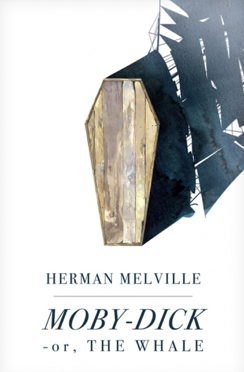
Amazing cover for a classic book
Book buyers still shop with their eyes. If people make it to your book sales page and your cover is terrible, they will not click the Buy button.
Don’t use a painting your child did or that you did yourself. Don’t DIY based on a YouTube video. Don’t assume you can make a professional cover.
Do research your genre on Amazon and take screenshots of books that stand out in a good way.
Do take pictures of books you like with fonts and designs you like.
Do check out the ebook cover design awards at TheBookDesigner.com to see some great covers and some truly awful ones. Then hire a professional cover designer, give them that information and work with them to create a professional cover.
Moby Dick book coverIf you don’t have a budget for this, then work extra hard until you have that extra money. Seriously, I believe this is non-negotiable if you want to stand out in the crowded market.

3. Has your book been professionally edited so it reads well?

I am passionate about the value of editing and editors, especially for new writers, or books in a new genre.
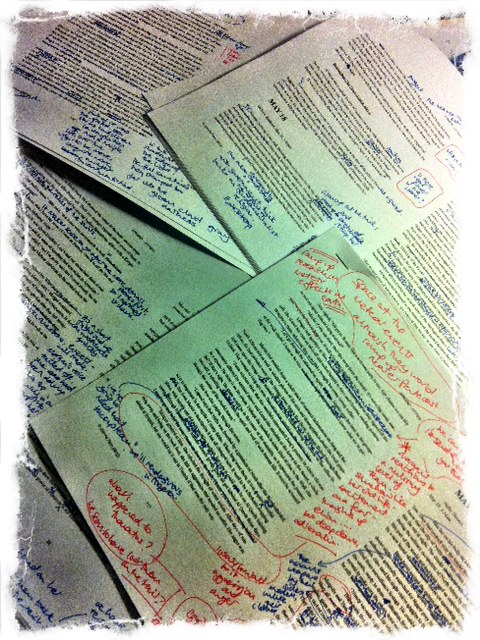
Some of my own editing
You should edit your books until you can’t stand them any longer, and then you should consider hiring a professional editor to help you take it further, because you cannot see your own words after a point because you know the story so well.
You need other eyes, preferably professional eyes who will critique you honestly and tell you where the problems are, especially if the book is truly awful – and sometimes it is (and that’s ok because you can write another one).
editing ARKANEStephen King in ‘On Writing’ says to rest the manuscript for a while, so put it away and when you have some distance, read it again. You may be horrified by what you find but better now than when it’s out there in the world. Here’s some more articles on editing and my recommended editors.
If you can’t afford a pro editor, then you can try using a critique group of readers within your genre, or join a group like the Alliance of Independent Authors to network with other like-minded authors in order to network and potentially barter your skills. Bartering shouldn’t be underestimated in the online world.
But definitely do not publish your book if only you and your best friend, or your Mum, have read it.

4. Have you submitted the book to the right categories on the ebook stores?

brick booksSorry, but not everyone will like your book.
You may think that everyone will, but they won’t. You might not want to put it in a box or a genre or a category, but you have to because that’s how readers find it. The category/genre reader has expectations and if you don’t ‘fit’ they will be disappointed. That’s not to say you need to follow any specific rules in your writing (let’s not get into that now!) but when you load it up to the distributors you do have to choose which categories and tags to use and they need to be meaningful.
You need some distance from your book in order to do this, but consider where your book fits within the online bookstores. This means deciding on the categories, tags and keywords associated with your book.

It’s also important to match reader expectations and the promise of what your book delivers with what your book is actually about.

There is no point having a book with a swirly, girly pink chic-lit cover in the horror section of fiction. It won’t sell, however good it is.
There are some scammy sites out there that will tell you to aim for the categories that will rank the best in order to have a Bestseller on Amazon. That’s just silly because your book won’t match the expectations of the readers and even if you get a bump in sales, it will completely dry up very soon.
get visibleYou can choose a category that fits your book AND is easier to rank in, for example, I use categories Action Adventure and Religious Fiction. I rank occasionally for the former and consistently in the latter. That’s optimization, but it is still true to the book and to the reader’s expectations.
If you’re struggling with this, choose 3-5 authors your book is like, not what you want it to be like, but what it is really like. That will help you find the right category.
A great book on categories and Amazon algorithms is David Gaughran’s Let’s Get Visible.

5. Have you optimized your Amazon sales page with a hook, quotes from reviews and other material?

Buy Me buttonI have seen some Amazon sales pages with not just typos but terrible grammar.
Some of them make no sense at all. Some are just the back blurb with no review quotes or other things that might draw a customer in.
Basically you need to treat the product description like a sales page. People will not buy your book if your description is badly written or hard to understand because it’s an indication of the quality of your book. Here’s another great article on 11 ingredients of a sizzling book description.
If you want to see a fantastic example, check out CJ Lyons Bloodstained which continues to rock the Kindle charts. That product description seriously rocks. CJ also explains all of this in our ProWriter Marketing course.
You can format your sales description with colored headlines and other funky HTML by using Author Marketing Club’s Premium service (which also includes a fast-track way to find appropriate reviewers).

6. Have you priced your book realistically, or at least tried different price points?

price tagIt’s important to say on pricing that no one has a clue how to price ebooks and authors are having success at many different price points. Check out this great article on The Passive Voice and the comments below to get an idea of the widely different levels of pricing and success.
However, I had one author ask why his debut novel wasn’t selling, and when I checked his sales page, the ebook was priced $11.99. It was his first novel and he had nothing else for sale.
However good your book, however marvelous the cover, your first novel is unlikely to sell at that price. Most ebooks are under $9.99, and a lot of fiction is under $7.99, with many indie books being under $5.
The 99c price point still has some power even after the algorithm changes but you might go somewhere in between, changing your price with promotions as well. I have my books at $2.99 right now so I make $2 per ebook. You get to set your own prices but there’s no way you’ll sell much at those very high prices.

7. Have you written, or are you writing another book?

bookshelvesSure, there are some breakout successes, but most indie fiction authors making decent money right now have 5 or more books. For non-fiction authors, you can expect to make your money on back-end products and services and not book sales anyway.
The more books you have available, the more virtual shelf space you have, the easier it is for people to discover you. Plus if a reader finds one they like, they may buy them all so you make more per customer.
I was as guilty as anyone of trying to hype my first novel, because it took so long and I thought it was a precious snowflake. I still believe you have to hustle those first thousand sales with everything you have, but my sales and income jumped when I released the second novel with very little fanfare because I already had an established presence on Amazon and they do a lot of marketing for you when you have multiple books, e.g. emails to people who bought your last one.
I am also fascinated by the rise of novellas and serials as a way to create more books, more quickly. Hugh Howey is a great example of someone who wrote novellas in different series and then continued the direction of the stories for the novellas that took off, Wool being his most famous and lucrative. I am definitely moving into this model in 2013 in between longer works.

8. Have you done some kind of promotion or marketing to let people know it is there?

marketingAgain, there are no rules and in fact, everyone has different results from different marketing tactics. Some hit a mega-success with none at all, but I do think that you need to hand-sell your first 1000 readers because they won’t just appear out of nowhere.
Remember: Marketing is sharing what you love with people who want to hear about it. You don’t have to be hard salesy, scammy or nasty. Just be authentic and share your passion.
If you need some starter tips, you should definitely be building your email list from your own website and also from a signup at the back of your book.
If you do that with book one, you will have at least some people to market to with book 2. It’s a start, and it grows over time. This is my only non-negotiable recommendation for authors, because you never know what will happen with all these sites we depend upon for sales. If they disappear, or the terms we publish under change, then your email list of fans and buyers is all you have.
I also believe that social media can sell books, but it is a slow build over time and you have to have other goals than just book sales, e.g. networking with peers and other authors. It’s not instant sales so you can’t rely on it. The whole author platform thing is massively useful in so many ways but it is only one aspect of book sales.
If you have some budget you can pay for promotion, but be targeted and track results.
The biggest leaps I had on the Amazon charts were from paid promotional pushes on sites that market direct to Kindle readers. I have used Kindle Nation

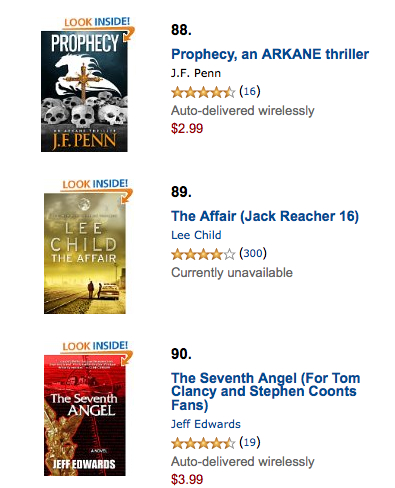
Prophecy with Lee Child on the Action Adventure Bestseller List
Daily, Pixel of Ink and BookBub and there are new opportunities all the time. I more than made my money back but the rankings were worth it. Prophecy hit the Action Adventure list above Lee Child! (of course, it dropped away but the screen-print is worth gold!)
Prophecy Joanna Penn next to Lee ChildFree is still a great option, especially if you have multiple books, as it means people can discover your work with no risk. Fantasy author Lindsay Buroker talked about this in our interview where she revealed that the first book in her series is permanently on free with her other books at $4.95. You can do this by making your book free on Smashwords and eventually Amazon will price match it.

9. Have you asked for reviews, or submitted to review sites?

reviewsThere’s been a lot of scandal about the sock puppet reviews but reviews are still critical because they give your sales page social proof and they feed into the book site algorithms.
I give away a lot of free books to people who might like my genre and ask that they leave a review if they like it. No hard sell, no pressure, no expectation. This is easy if you have built up a list from the last book, or if you have built a platform and in fact is one good reason to do this. Traditional publishing has been doing this forever so it is not a new or a scammy tactic.
Remember that not everyone will like your book and not everyone will leave a review, or a good review, but it is a start. [And remember, don't respond to bad reviews!]
You can also contact book bloggers or Amazon reviewers to get more reviews. This is hard work if you do it manually, but you can use the Author Marketing Club’s Premium service to short cut the process by finding reviewers for books like yours.
You can also listen here to Rachel Abbott in this interview talk about how this strategy got her to #1 on Amazon.co.uk.

10. Are you working your butt off?

hard work aheadGenerally, I’m an even tempered type of girl, but when I get emails from people asking why they’re not successful and they’ve done nothing on this list, I get a little annoyed!
Especially when this site has over 700 free articles on writing, publishing and marketing and there’s 75+ hours of audio for you to learn from for free. Oh yes, and a 57 page Author 2.0 ebook on all this.
That’s all available for free, but I also have a book you can buy for less than the price of a coffee – How To Market A Book.
market book premiumPlus you can join my How To Market A Book Premium audio membership
Plus you can learn from New York Times bestselling author CJ Lyons in the video based ProWriter: Secrets of Successful Book Marketing

There is no excuse not to be educated, even just from this site.

I absolutely believe that you can be a great writer and make an income from writing.
I have to believe that for you because I believe it for me, and I have left a stable job and steady income to take a chance on being an author-entrepreneur. I’ve been on this path since 2007 when I decided to write my first non-fiction book, so I am 5 years into working my butt off to change my life.

But writing books is not a get rich quick scheme.

I look at authors like CJ Lyons, Scott Sigler, Chuck Wendig, Joe Konrath, Bob Mayer and so many others and I know they are working their butts off every day writing and getting their work out there. The recent success of Sean Platt & David Wright in landing a Serial deal with Amazon is because they work incredibly hard at writing all day, every day to produce new content for their market. They are my heroes.
These guys are pros and they know it takes hard work to get there and hard work to stay there.
So please, if your book is not selling any copies at all, go through this checklist and honestly evaluate what you have done and how much effort you have put in. Please also share this with other people who may be asking the same question.

I’d love to know what you think, so please leave a comment below. What other tips can you give for people who aren’t selling any or many books?

Labels

Giveaway ( 3088 ) Excerpt ( 1336 ) blog tour ( 942 ) Book Blitz ( 864 ) Cover Reveal ( 543 ) Guest post ( 518 ) Teaser ( 347 ) Book blast ( 283 ) Interview ( 260 ) Culture ( 245 ) Books ( 242 ) Trailer ( 228 ) freebie ( 227 ) Art ( 226 ) Funny ( 225 ) History ( 219 ) Promotion ( 207 ) Science ( 202 ) Articles ( 181 ) free kindle ( 145 ) Literature ( 142 ) Release Day ( 131 ) Review ( 120 ) Photography ( 115 ) nature ( 113 ) kindle ( 112 ) Gender ( 105 ) Book tour ( 90 ) Authors ( 89 ) myth ( 77 ) new release ( 77 ) Coffee ( 76 ) newsletter ( 71 ) Children ( 70 ) Music ( 66 ) box set ( 60 ) Archaeological ( 59 ) illustration ( 56 ) food ( 50 ) spotlight ( 50 ) PLAYLIST ( 49 ) social ( 48 ) 0.99 sale ( 46 ) YA ( 45 ) contest ( 43 ) fantasy ( 43 ) Mythology ( 42 ) Grand Finale ( 41 ) sale ( 39 ) blog hop ( 37 ) words ( 37 ) Poetry ( 35 ) artist ( 34 ) Characters interviews ( 32 ) Game ( 32 ) syfy ( 32 ) language ( 30 ) quotes ( 30 ) recipe ( 30 ) Release Party ( 29 ) Expert ( 27 ) ads ( 21 ) mystery ( 21 ) Photos ( 20 ) reading ( 20 ) Romance ( 19 ) Animals ( 18 ) Design ( 18 ) Education ( 18 ) Street Photography ( 18 ) book highlight ( 18 ) facts ( 18 ) comics ( 17 ) health ( 17 ) writing ( 17 ) Folklore ( 16 ) Holidays ( 16 ) Movies ( 16 ) poem ( 15 ) Biology ( 13 ) top 10 ( 13 ) Book release ( 12 ) Maps ( 12 ) covers ( 12 ) Book trailers ( 11 ) Cash Giveaway ( 11 ) Giveaways ( 11 ) Twitter Blast ( 11 ) Valentine ( 11 ) Friday revel ( 10 ) Libraries ( 10 ) Paranormal ( 10 ) Release blitz ( 10 ) agriculture ( 10 ) events ( 10 ) sport ( 10 ) Characters cast ( 9 ) Publishing ( 9 ) Sneak Peek ( 9 ) dream cast ( 9 ) work ( 9 ) BOOK SIGNING ( 8 ) Steam-punk ( 8 ) astronomy ( 8 ) interviews ( 8 ) plants ( 8 ) technology ( 8 ) Free Book ( 7 ) Halloween ( 7 ) NA ( 7 ) Thanks Giving ( 7 ) blog ( 7 ) blog blast ( 7 ) economy ( 7 ) letters ( 7 ) street art ( 7 ) Christmas ( 6 ) Contemporary Romance ( 6 ) Genetic ( 6 ) Goodreads giveaway ( 6 ) This and That ( 6 ) YA RELEASES ( 6 ) news ( 6 ) short story ( 6 ) writing tools ( 6 ) Amazon. ( 5 ) Audio ( 5 ) Philosophy ( 5 ) Spring ( 5 ) YA Fantasy ( 5 ) hosting ( 5 ) jobs ( 5 ) mother day ( 5 ) top 5 ( 5 ) Black Friday ( 4 ) BookRave ( 4 ) Fun Facts ( 4 ) Grammar ( 4 ) Song ( 4 ) Sunday Read Recommendation ( 4 ) Weather ( 4 ) Web ( 4 ) cakes ( 4 ) deals ( 4 ) evolution ( 4 ) gift card ( 4 ) horror ( 4 ) lol ( 4 ) photographer ( 4 ) soundtrack ( 4 ) studies ( 4 ) video ( 4 ) Architecture ( 3 ) Book Swapping ( 3 ) Book tor ( 3 ) Cartoon ( 3 ) Characters ( 3 ) Computing ( 3 ) Dance ( 3 ) Easter ( 3 ) Erotica ( 3 ) Indian ( 3 ) Kindle Fire HDx Giveaway ( 3 ) St. Patrick's day ( 3 ) Suspense ( 3 ) TV series ( 3 ) Thriller ( 3 ) Translation ( 3 ) bookstore ( 3 ) chapters ( 3 ) chemistry ( 3 ) contemporary ( 3 ) ecology ( 3 ) fall ( 3 ) film director ( 3 ) guest review ( 3 ) hope ( 3 ) icon ( 3 ) launch day ( 3 ) math ( 3 ) story ( 3 ) summer ( 3 ) syfi ( 3 ) urban ( 3 ) winter ( 3 ) 10 Fun Facts ( 2 ) 10 things ( 2 ) 4th of july ( 2 ) Adventure ( 2 ) Audiobook ( 2 ) Awards ( 2 ) Blogger Appreciation ( 2 ) Book reveling ( 2 ) Bookstores ( 2 ) Characters bio ( 2 ) Clean Sweep ( 2 ) Cover wars ( 2 ) Crime ( 2 ) Debut Author Challenge ( 2 ) Dystopian ( 2 ) Family ( 2 ) Free Shipping ( 2 ) Fun ( 2 ) Gifts ( 2 ) Graphs. STAT ( 2 ) Hop International ( 2 ) Introduction ( 2 ) Literature awards ( 2 ) Nostalgic ( 2 ) Ocean ( 2 ) Psychological ( 2 ) Psychological Thriller ( 2 ) Reading Contest ( 2 ) Release week ( 2 ) Selfies ( 2 ) Summer Reading ( 2 ) Summery of the year ( 2 ) Tablets ( 2 ) Tea ( 2 ) Titles ( 2 ) add ( 2 ) art Articles ( 2 ) birds ( 2 ) book bash ( 2 ) book contest ( 2 ) bread ( 2 ) cell & molecular biology ( 2 ) children’s literature ( 2 ) climate change ( 2 ) codes ( 2 ) discussion ( 2 ) dragons ( 2 ) ebooks ( 2 ) epic ( 2 ) extreme ( 2 ) facebook ( 2 ) facebook Blast ( 2 ) games & gadgets. test ( 2 ) ilustration ( 2 ) immunology ( 2 ) incredible ( 2 ) internet ( 2 ) labels ( 2 ) lists ( 2 ) lunch blitz ( 2 ) martial ( 2 ) min-interview ( 2 ) monsters ( 2 ) physics ( 2 ) poets ( 2 ) sea ( 2 ) tips ( 2 ) tv ( 2 ) water ( 2 ) wolf ( 2 ) 5 Fun Facts ( 1 ) 5 Rapid Fire Round ( 1 ) A vote ( 1 ) Action ( 1 ) Adult ( 1 ) Adult Historical Fantasy ( 1 ) Adult fiction ( 1 ) African-American Lit ( 1 ) Amazing ( 1 ) Amazon ( 1 ) Amazon.Tech ( 1 ) Announcement ( 1 ) Apology ( 1 ) April ( 1 ) Atlit Yam ( 1 ) B-day ( 1 ) Badass heroes ( 1 ) Baking ( 1 ) Bibliophile ( 1 ) Black & White ( 1 ) Blogoversary ( 1 ) Book Hop ( 1 ) Bookfest ( 1 ) Booklikes ( 1 ) Bravery ( 1 ) Bundles ( 1 ) Catalog ( 1 ) Concepts ( 1 ) Critique ( 1 ) Cut Scene ( 1 ) DVD ( 1 ) Did you know ( 1 ) Discovery ( 1 ) Disney ( 1 ) Donation Campaign ( 1 ) Earth Day ( 1 ) Etymology ( 1 ) Extravaganza ( 1 ) FAQ ( 1 ) Falafel Day ( 1 ) Favorite Reads ( 1 ) Folklure ( 1 ) Gadgets ( 1 ) Garden ( 1 ) Geography ( 1 ) Greating ( 1 ) Happy New Year. greatings ( 1 ) Heroes ( 1 ) High-Rise Buildings ( 1 ) Highlights ( 1 ) Holocaust ( 1 ) Infographic ( 1 ) Inspiration ( 1 ) International ( 1 ) Japan ( 1 ) Jazz ( 1 ) Kindness ( 1 ) Linguists ( 1 ) Literary Fiction ( 1 ) Maleficent ( 1 ) Meet the author ( 1 ) Misconceptions ( 1 ) Multicultural ( 1 ) New Adult ( 1 ) New Adult fiction ( 1 ) New Series Releases ( 1 ) New Year ( 1 ) Offers ( 1 ) PRE-RELEASE ( 1 ) Parental ( 1 ) Passover ( 1 ) Personal message ( 1 ) Picture Revision ( 1 ) Piracy ( 1 ) Pirates ( 1 ) Preview ( 1 ) Print Design ( 1 ) Psychology ( 1 ) QA ( 1 ) Query Contest ( 1 ) Quet ( 1 ) Quiz ( 1 ) Quize ( 1 ) Random Facts ( 1 ) Rapid Fire Round ( 1 ) Recommends ( 1 ) References ( 1 ) Religion ( 1 ) Reveal ( 1 ) Rhymes ( 1 ) Romantic Suspense ( 1 ) Scavenger Hunt ( 1 ) Scots ( 1 ) Sleeping Beauty ( 1 ) Sparkiversary ( 1 ) Target ( 1 ) Tax day ( 1 ) Tour ( 1 ) Tour Highlight ( 1 ) Tourney ( 1 ) Trivia ( 1 ) Typography ( 1 ) Unbelievable ( 1 ) Urban Fantasy ( 1 ) Vintage ( 1 ) Virtual Book Tour ( 1 ) Visa ( 1 ) WWII ( 1 ) Waiting on Wednesday ( 1 ) Western Historical Romance ( 1 ) What I'm reading ( 1 ) Women ( 1 ) Women’s Fiction ( 1 ) Women’s Lit ( 1 ) YA nonfiction ( 1 ) academic ( 1 ) alternative medical ( 1 ) angry robot ( 1 ) anima ( 1 ) author blog ( 1 ) available ( 1 ) book hunt ( 1 ) book industry ( 1 ) book sketch ( 1 ) book swag ( 1 ) brain ( 1 ) calligraphy ( 1 ) ceremony ( 1 ) challenge ( 1 ) clips ( 1 ) clocks ( 1 ) confidence ( 1 ) convention ( 1 ) crazy ( 1 ) creative ( 1 ) cupping ( 1 ) daimonds ( 1 ) diet ( 1 ) digital copy ( 1 ) discount ( 1 ) drugs ( 1 ) east ( 1 ) editing ( 1 ) essays ( 1 ) fairy tales ( 1 ) fashion ( 1 ) fiction ( 1 ) fool day ( 1 ) genre ( 1 ) gift ( 1 ) global warming ( 1 ) gov ( 1 ) green ( 1 ) greeting ( 1 ) guns ( 1 ) harvest ( 1 ) help ( 1 ) ideas ( 1 ) indi ( 1 ) infectious disease ( 1 ) info ( 1 ) insects ( 1 ) intro for audio ( 1 ) introducing ( 1 ) labor day ( 1 ) lego ( 1 ) make up ( 1 ) manga ( 1 ) meaning ( 1 ) message ( 1 ) money ( 1 ) monthly ( 1 ) mystical ( 1 ) names ( 1 ) names.culture ( 1 ) new cover ( 1 ) note ( 1 ) olympic ( 1 ) organic ( 1 ) out takes ( 1 ) outage ( 1 ) packing ( 1 ) palentology ( 1 ) party ( 1 ) pepco ( 1 ) physiology ( 1 ) pk ( 1 ) protein ( 1 ) protein folding×¥ ( 1 ) protest ( 1 ) public transportation ( 1 ) pulp fiction ( 1 ) rare ( 1 ) recommendation ( 1 ) rescued ( 1 ) retail ( 1 ) reveal tour ( 1 ) revel party ( 1 ) shopping ( 1 ) solutions ( 1 ) songs tracks ( 1 ) support ( 1 ) surfing ( 1 ) survival ( 1 ) swords ( 1 ) tags ( 1 ) theater ( 1 ) title reveal ( 1 ) top 12 ( 1 ) trees ( 1 ) update ( 1 ) visual ( 1 ) winner of giveaway ( 1 ) wo ( 1 )